 中文
中文 THI
THI EN
EN

What are the contracts for transporting different types of goods on the Thailand Freight Line?
? Thailand Freight Transport Special LineToday, let me talk about the transportation contract for freight. Do you know what types of transportation are available for freight? What are the ones we commonly use? Railways, highways, waterways, aviation, pipelines, and multimodal transport are commonly used modes of transportation. Depending on the mode of transportation, cargo transport contracts can also be divided into several types, such as railway cargo transport contracts, highway cargo transport contracts, waterway cargo transport contracts, air cargo transport contracts, pipeline cargo transport contracts, and multimodal transport cargo transport contracts.

1、 The railway freight transport contract is a contract in which the railway carrier transports the goods from the place of origin to the agreed location by railway, and the consignor or consignee pays the transportation fees. The consignor shall sign a cargo transportation contract with the railway carrier when transporting goods by railway.
The carrier in the railway freight transportation contract is the railway transportation enterprise. Railway transportation enterprises mainly refer to national railway transportation enterprises and local railway transportation enterprises. National railway transportation enterprises refer to railway bureaus and railway sub bureaus. Railway stations and sections are not railway transportation enterprises, but grassroots organizations of railway transportation enterprises. They can only carry out transportation and production activities in the name of railway bureaus or railway sub bureaus.
The consignor in the railway freight transportation contract is the person who delivers the goods for railway transportation. It can be a natural person, legal entity, or other social organization.
The consignee in the railway freight transportation contract refers to the person who collects the consigned goods at the destination station. The consignee can also be a natural person, legal person, or other social organization. Although the consignee does not participate in the conclusion of the railway freight transportation contract, they are closely related to the contract and enjoy certain economic rights and obligations arising from the contract.
According to the different organizational methods of freight transportation, railway freight transportation contracts can be divided into three types: whole vehicle freight transportation contracts, less than truckload freight transportation contracts, and container freight transportation contracts.
In addition to the characteristics of general cargo transportation contracts, railway freight transportation contracts also have strong planning features. Railway freight transportation contracts are constrained by national plans, bulk cargo transportation is constrained by annual, quarterly, and monthly transportation plans, and other cargo transportation is limited by capacity and other conditions, and must be arranged in a planned manner.

2、 The so-called road freight transportation contract refers to an agreement that clarifies the rights and obligations between the carrier and the consignor of road freight transportation. According to this agreement, the carrier shall transport the goods by road from one place to another, and the shipper shall pay the corresponding freight according to regulations.
In a road freight transportation contract, the party carrying the goods is the carrier, which refers to the operator engaged in road freight transportation and entering into a freight transportation contract with the consignor. It can be a highway transportation enterprise, as well as other units and individual transportation operators engaged in highway freight transportation. Carriers can sometimes be divided into contracted carriers and actual carriers. The so-called contracting carrier refers to the carrier who participates in the signing of the transportation contract; The actual carrier refers to the person entrusted by the contracting carrier to engage in transportation. The consignor refers to the party who consigns the goods or the party who signs a road freight transportation contract with the carrier. It can be any other unit or individual outside the carrier. In addition to both the consignee and the consignor, road freight transportation contracts generally also involve the consignee. The consignee refers to the unit and individual designated by the consignor in the road freight transportation contract to pick up the goods, that is, the person who receives the goods at the destination. Therefore, in a complete contract for the transportation of goods, there are often three parties involved: the carrier, the shipper, and the consignee. But in practice, in many cases, the shipper and consignee are the same person.
3、 Waterway cargo transportation contract refers to a contract in which the carrier charges the freight and is responsible for transporting the goods consigned by the shipper by waterway from one port (station, point) to another port (station, point). The carrier of waterway transportation must be a Chinese ocean transportation enterprise, coastal water transportation enterprise, inland water transportation enterprise, or individual water transportation professional who operates waterway cargo transportation business and holds a business license. The consignor can be a legal person, other organization, citizen, etc. The waterway freight transportation contract has the following basic characteristics:
The calculation of the weight and volume of goods has its own special method. The weight of the entire batch of goods is determined by the shipper, and the carrier may also conduct spot checks. The weight of bulk cargo can be calculated by the carrier using the ship's water gauge. If the freight is charged based on the volume of the goods, the consignor should provide the weight and volume.
The performance period of the contract is affected by natural conditions such as climate and water conditions. The contract performance period usually includes the time of shipment from the port of origin, the time of each transshipment port, and the transportation time. Errors caused by natural conditions are not included in the delivery period.
4、 An air cargo transport contract refers to a contract in which an air carrier uses an aircraft to transport goods consigned by the shipper to a designated location and deliver them to the consignee, and the shipper pays for the transportation of the goods. The carrier of air cargo transportation refers to the person who uses civil aircraft to transport goods, mainly public air transport enterprises and their agents. Public air transport enterprises refer to legal entities that use civil aircraft to transport passengers, luggage, mail, or cargo for profit. The consignor refers to the person who requires the use of civil aircraft to transport goods that meet the conditions for consignment, including legal persons, other economic organizations, individual businesses, rural contracted operators, and individual citizens; The consignee refers to the person who retrieves the goods after they are transported by civil aircraft to a designated location. The consignee can be the shipper or a third party other than the shipper.
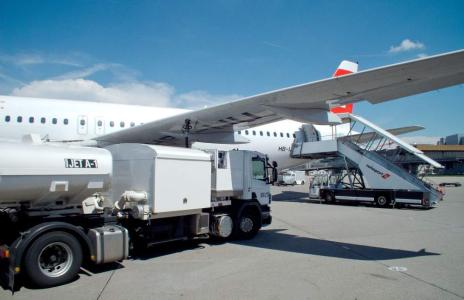
5、 Pipeline cargo transportation contract refers to an agreement signed between the carrier and the consignor engaged in pipeline transportation business, which clarifies the rights and obligations of transporting goods. In pipeline transportation contracts, the carrier has singularity, and the types of goods in pipeline transportation contracts are relatively few, mainly limited to gas and liquid goods such as oil and natural gas.
6、 A multimodal transport contract for goods refers to a contract in which the carrier of multimodal transport, using two or more different modes of transportation, is responsible for transporting the goods from the place of takeover to the destination and delivering them to the consignee, and collecting the full freight for the entire journey. The characteristics of multimodal transport contracts for goods are:
The carrier is composed of two or more carriers using different modes of transportation, and the contract is legally binding on these carriers.
⑵ Comprehensive payment of freight charges. The shipper will pay the fees for different stages of transportation in one lump sum.
The carrier shall bear joint and several liability for the loss or damage of goods during multimodal transportation. After the carrier without fault fulfills the obligation of compensation, they have the right to seek compensation from the carrier who caused the damage. If several carriers cannot distinguish their faults, they shall share the total freight charges according to their respective proportions.
Visit our official website to learn more details:http://www.3dvrclub.com/